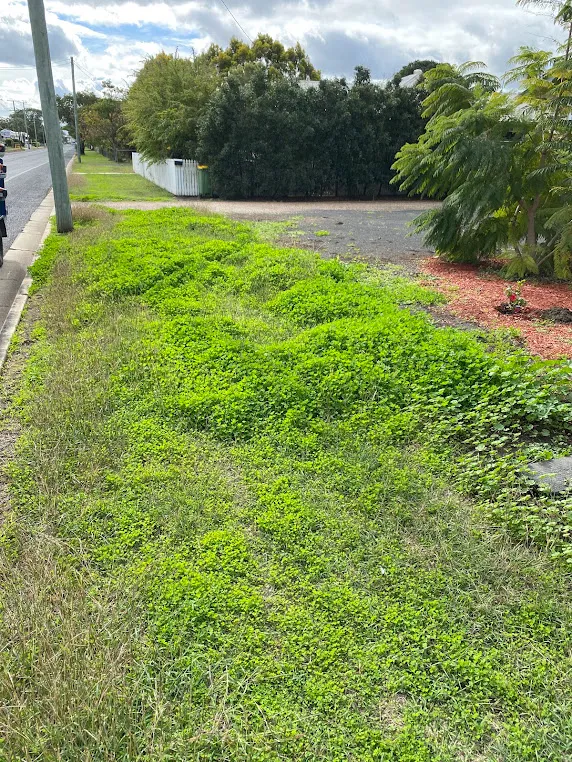
Lawn Weed Control Lockyer Valley — Treat It Before It Seeds
Weed control for bindii, clover, nutgrass and broadleaf invaders across Laidley, Gatton and surrounds. Timed to the season so it actually works.
Selective Treatment, Not Blanket Spraying
Lawn weed control in the Lockyer Valley means identifying what's actually growing in your turf and treating it with a product that kills the weed without killing the grass around it. Bindii, clover, cudweed, catsear, khaki weed and nutgrass all behave differently and don't respond to the same approach.
Timing does most of the heavy lifting. Bindii is the clearest example: treat it in late autumn or winter while it's small and soft and it disappears. Wait until you can feel the prickles underfoot in spring and it has already seeded, which means dealing with it again next year. Our lawn weed control programs across the Lockyer Valley are built around those windows rather than reacting once the damage is visible.
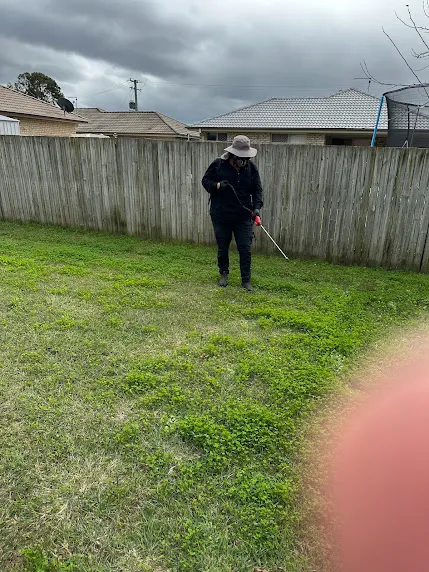
Signs You Have a Weed Problem
- Flat rosette-shaped plants spreading through thin turf in autumn — early-stage bindii
- Prickles underfoot in spring and summer, meaning bindii has already set seed
- Clover patches taking over, usually a sign of low soil nitrogen
- Bright green, fast-growing spiky clumps standing above the lawn — nutgrass
- Broad-leafed plants that survive mowing and regrow within days
- Bare or thinning patches that weeds colonise before grass can recover
How We Treat a Lawn
-
STEP 01
Identify
We inspect the turf and identify the specific weed species present — treatment depends entirely on this.
-
STEP 02
Check the grass type
Buffalo in particular is sensitive to certain herbicides, so product selection is matched to your turf.
-
STEP 03
Time the application
Treatment is scheduled for the right growth stage and suitable weather, not sprayed before rain or in extreme heat.
-
STEP 04
Apply selectively
Even coverage across affected areas, or spot treatment for isolated outbreaks.
-
STEP 05
Follow up
A review visit to check the result and treat anything that survived the first pass.
Why Use a Contractor Instead of Supermarket Products
- Correct identification — the wrong product on the wrong weed wastes time and money
- Turf-safe selection so buffalo and other sensitive grasses aren't damaged
- Seasonal weed control programs that hit the treatment window instead of missing it
- Fully insured — public liability cover on all chemical application
- Combined with mowing so treatment and cutting are coordinated rather than working against each other
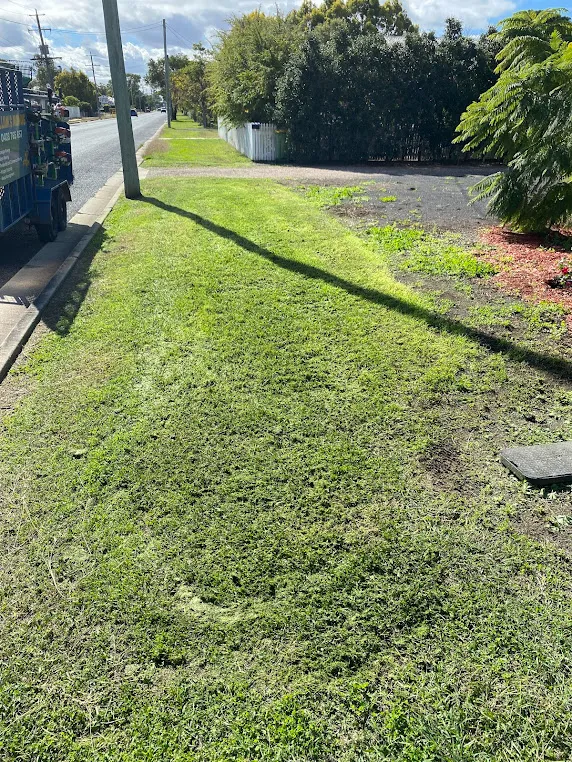
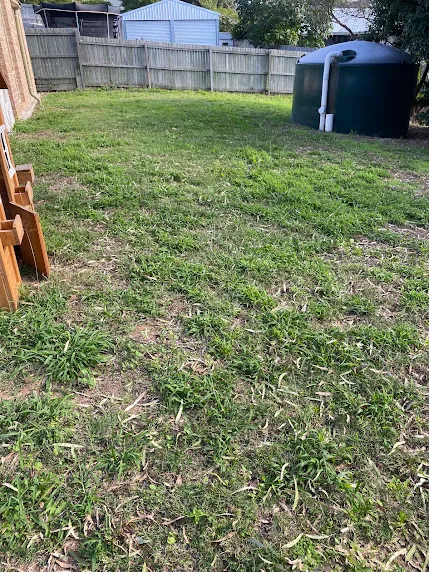
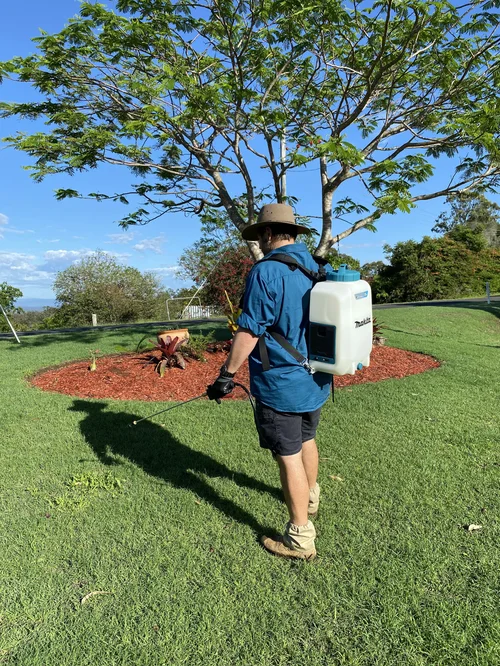
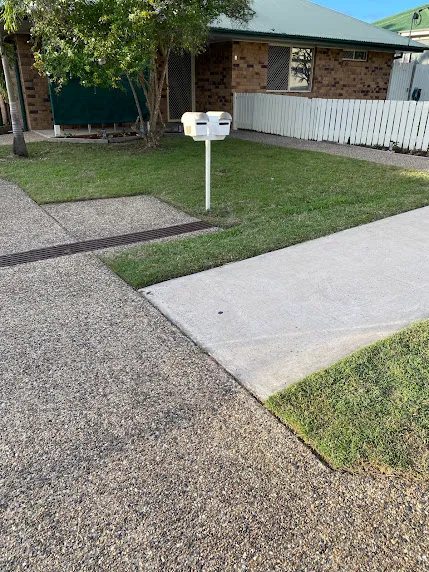
Recent Weed Treatment Projects in the Lockyer Valley
Turf recovery and weed programs completed on properties around the region.
Where We Treat
We provide weed treatment across Laidley, Plainland, Gatton, Regency Downs, Hatton Vale and Kensington Grove. Growing conditions through the Lockyer Valley mean weeds establish quickly after summer storms and again through the cooler months, so most properties here benefit from at least two treatments a year rather than a single reactive spray.
Treatment works best alongside a regular mowing schedule that keeps turf thick enough to crowd weeds out.
Frequently Asked Questions
What is lawn weed control?
It's the selective treatment of unwanted plants in turf using herbicides that target the weed while leaving the grass unharmed. It differs from general weed spraying, which kills everything it touches and is used on driveways, fence lines and paths instead of lawns.
How much does weed treatment cost in the Lockyer Valley?
A single treatment is priced on lawn size and infestation level. Seasonal programs covering two or three applications a year work out cheaper per visit and give noticeably better long-term results, and we confirm the figure before any work starts.
How long does it take for weeds to die after treatment?
You'll usually see curling and yellowing within three to seven days, with full die-off in two to three weeks. Established weeds like nutgrass often need a second application. We avoid spraying immediately before rain, which would wash the product off before it's absorbed.
When should bindii be treated?
Late autumn to mid winter, while the plants are young and haven't formed prickles. This is the single most common mistake we see across Laidley and Gatton — people call in spring once they can feel it, by which point it has already seeded for next season.
Is weed spray safe around children and pets?
Once the application has dried, typically within a few hours, treated areas are generally safe for normal use. We'll advise a specific re-entry period on the day based on the product used and conditions. Keep pets and children off the lawn until it's fully dry.
Why do the same weeds keep coming back?
Usually because the underlying turf is thin, letting seed germinate in the gaps. Weed treatment removes the symptom; thicker, healthier grass prevents recurrence. We often pair treatment with adjusted mowing heights and a fertilising recommendation to close those gaps.
Get Ahead of Next Season
The best time to treat is before you can see the problem. Call and we'll tell you what's in your lawn and when to hit it.